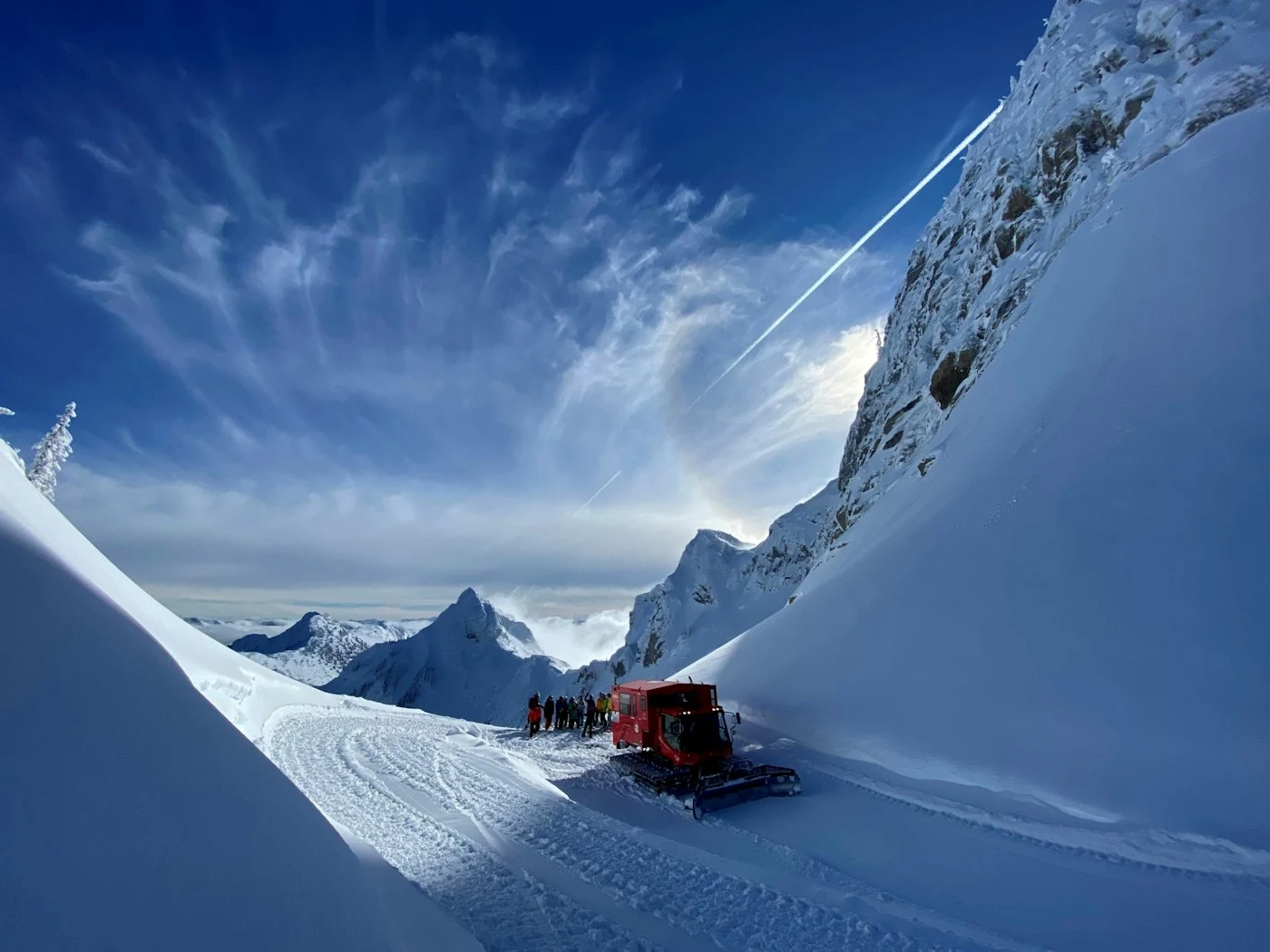
Winter · Usually December–early April
For our cat skiing guests.
Lodging, dining and winter experiences are reserved for guests with confirmed cat ski bookings. Public drop-in visits and restaurant reservations are unavailable.

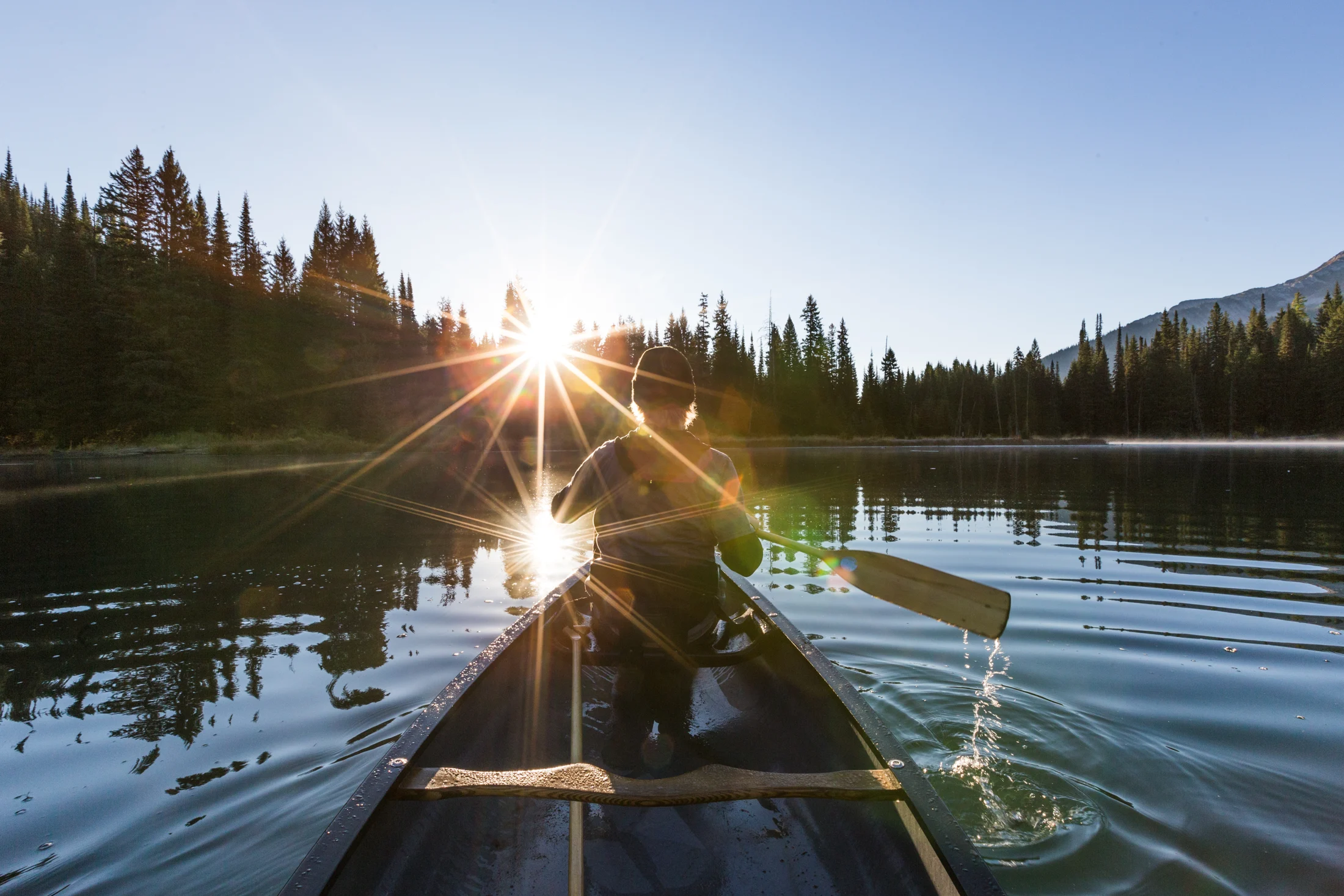
The Lodge · A guide to the seasons
Know when to come
Choose the season for your stay, then confirm the date. Public summer visits, private winter ski trips and the shoulder-season closures each have their own rhythm.
Winter · Usually December–early April
Lodging, dining and winter experiences are reserved for guests with confirmed cat ski bookings. Public drop-in visits and restaurant reservations are unavailable.
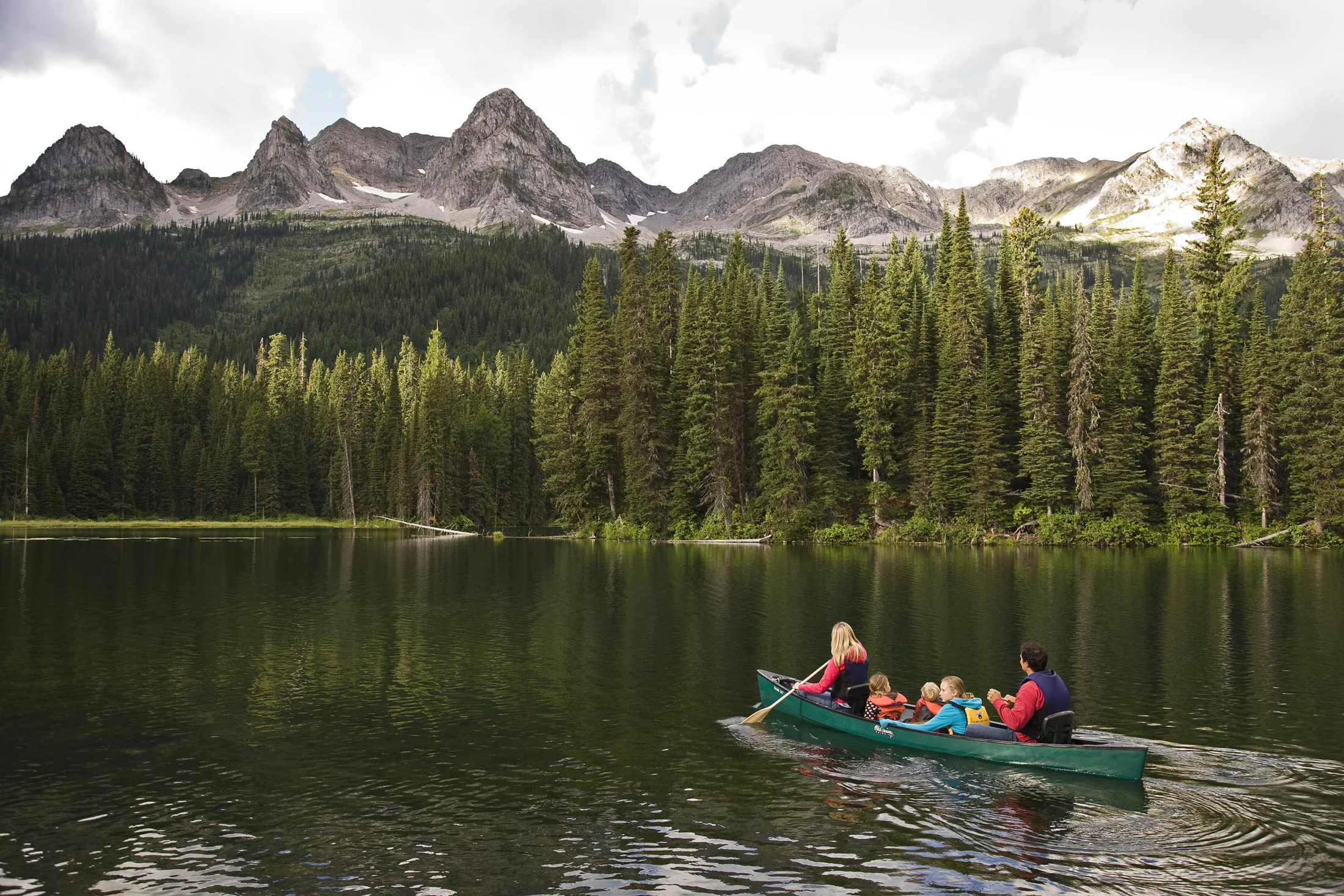
Summer · Usually June–September
Come for a stay, a hike, lunch or the spa during summer operations. Weddings, buyouts and non-operating days can close facilities and vehicle access.
Check your date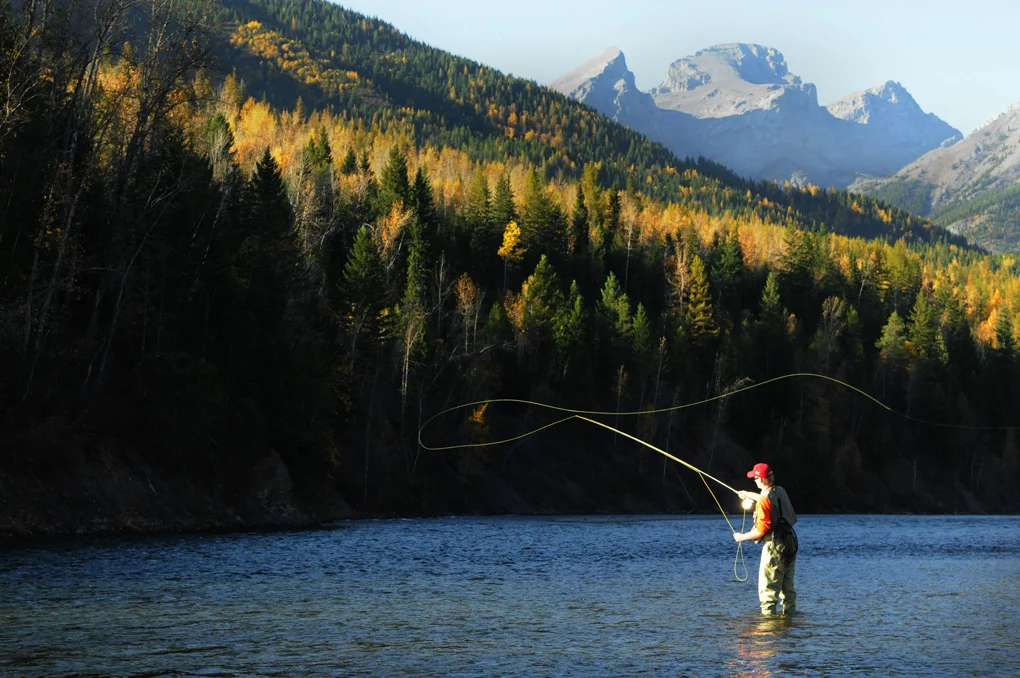
Spring & autumn · Between guest seasons
No hotel, restaurants, spa, washrooms or guest services. Road and recreational trail access follow separate notices; an open trail does not mean an open lodge.
See access noticesThe seasonal calendar
Compare the climate and lodge access, then open a month for activities, wildlife and planning notes.
Average daily high / low and total monthly precipitation below use historical 1981–2010 Fernie climate normals. Island Lake sits higher in the mountains and can be colder and snowier, with snow lingering much later. These are planning averages, not a lodge forecast.
Climate data & sourceCold mornings, short days and a settled winter landscape. Mountain temperatures can fall well below the valley averages.
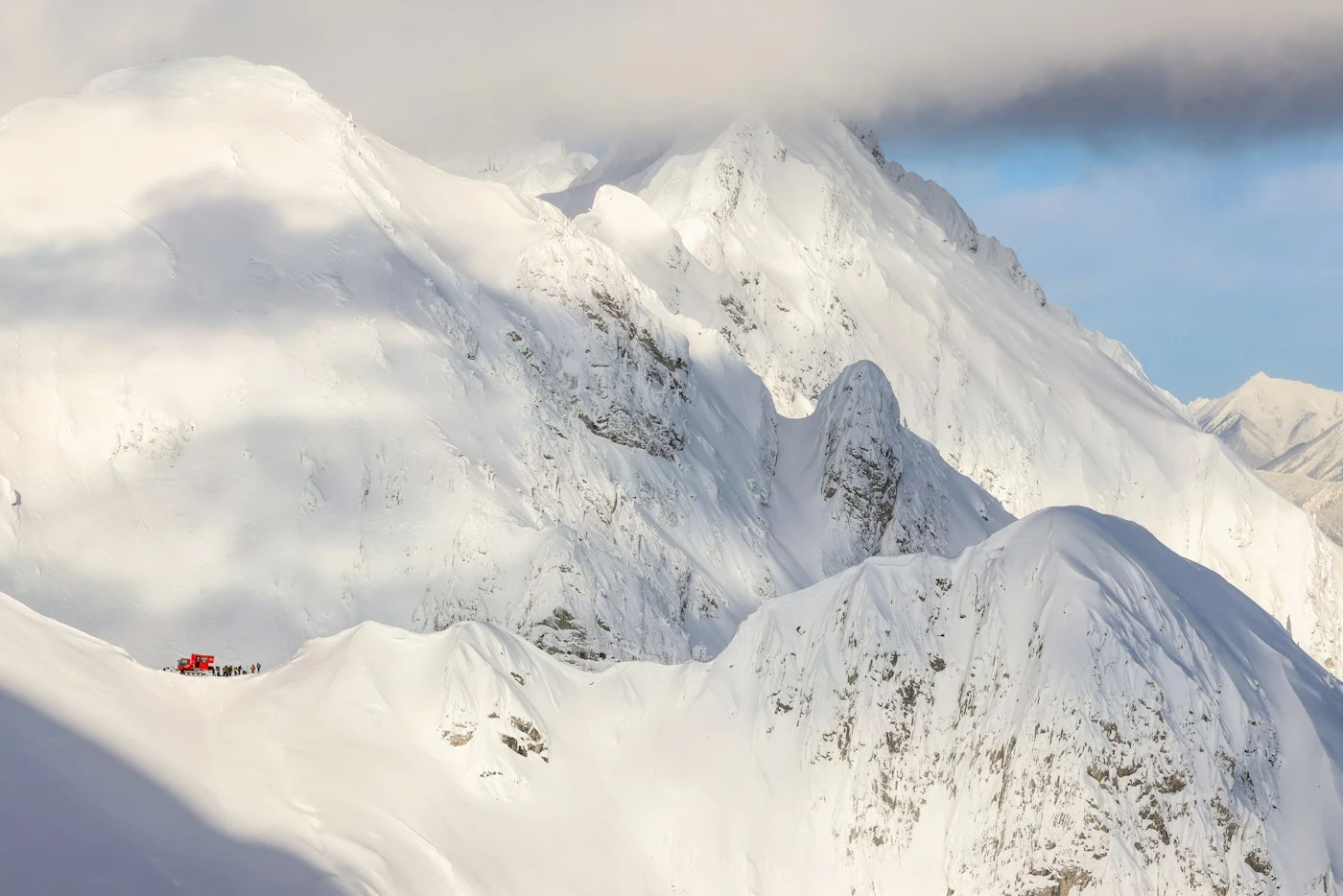
Guided cat skiing and snowboarding, followed by the spa, fireside time and dinner with your ski group.
Bears and ground squirrels are generally denning or hibernating. Deer, moose and forest birds remain active; tracks may be easier to see than animals.
Plan around a confirmed ski package. The lodges and restaurants are reserved for booked winter guests, with no public drop-in dining.
Winter still has a firm hold, with cold nights and gradually lengthening afternoons. Snow quality and available terrain change with each weather cycle.
Guided cat skiing and snowboarding, mountain photography and relaxed evenings back at the lodge.
Most bears remain in their dens. Winter-active wildlife still needs space and undisturbed travel routes.
For a private ski gathering, ask about group space or a buyout well ahead. Confirm ability levels and equipment with reservations.
Longer days can bring fresh snowfall, sunshine and spring-like warmth in the same week. Expect changing snow surfaces and overnight freezes.
Guided skiing and riding continue on the winter programme. Your guides choose terrain to suit that day’s weather and snow.
Den emergence approaches as spring develops. Wildlife follows food and snow conditions rather than a fixed calendar.
Choose dates for the whole group and keep travel plans flexible around mountain weather. Public summer activities and dining have not opened.
Valley thaw does not mean alpine summer. Deep snow can remain around the lodge and higher up, with wet weather and freeze–thaw cycles.
Some years include early-April ski departures, followed by the spring closure. The published 2026/27 trip calendar runs through April 5, 2027.
Bears typically emerge around April, with timing varying by snow, food and individual animal. Ground squirrels begin their spring return as conditions allow.
After the final winter departure, lodge services close. Do not plan a public visit, wedding or retreat without a confirmed operating date.
Milder valley days, cold nights, rain and runoff. Higher trails can remain snowy or muddy even when Fernie is green.
This is typically a preparation period between guest seasons. Summer lodging, dining, canoe rentals and spa visits await the announced opening.
Bears forage on new growth; ground squirrels become active. Give wildlife extra space as the valley enters its spring breeding and birthing season.
Treat May as closed for lodge stays and events unless the team confirms otherwise. Trail permission, road access and lodge services are separate checks.
Long daylight, cool evenings and frequent opportunities for rain. Alpine snow can linger after lower trails open.
After summer opening: forest walks, lake time, canoeing, the spa and patio lunches. Choose higher hikes using the current trail report.
Look for ground squirrels and birds; deer, moose and bears also live here. Keep well back from adults with young.
A lovely early-summer setting for gatherings once dates are confirmed. Have an indoor weather plan and allow warm layers for lakeside ceremonies.
Warm valley afternoons and cool nights. Rain and mountain thunderstorms remain possible; higher terrain is cooler and more exposed.
Hiking as trails clear, Lazy Lizard biking, canoeing, guided walks and long lunches. Alpine flowers follow snowmelt rather than a guaranteed bloom date.
Ground squirrels and chipmunks are active, while bears feed across the landscape. Watch quietly and leave animals their natural food.
A strong choice for family reunions and outdoor wedding plans. Reserve rooms, meals and activities together; public access still depends on private-event dates.
Historically one of the warmer, drier valley months. Heat, wildfire smoke or storms can still change outdoor plans.
Alpine hikes when conditions allow, biking, canoeing, spa time and group adventures with time left for the table.
Bears seek seasonal foods including berries. Ground squirrels can begin hibernating surprisingly early; adult males often disappear before females and young.
Keep an indoor option for group sessions and celebrations. Pack an evening layer, and check air quality and trail notices before outdoor activities.
Cooler days, crisp nights and increasing frost potential. Colour develops unevenly with elevation; early mountain snow is possible.
Early-season dates may offer hiking, photography, lodge stays and gatherings before the announced summer closing day.
Bears feed intensively before winter. Many ground squirrels are already underground; deer and moose remain active.
Check the closing date before choosing an autumn wedding or retreat. Shorter evenings call for earlier outdoor plans. Summer services were closed by September 21, 2026.
Cool, wet weather, frosty nights and snow returning to higher elevations. Autumn colour does not imply that the lodge is open.
Typically no lodge stays, public restaurants or spa service. Any independent trail visit depends on current access notices and conditions.
Bears may still be feeding as winter approaches. Deer and moose do not hibernate.
Treat the lodge as closed for hosted gatherings. Do not promise a meal, washroom stop or drive-up photo visit during the shoulder season.
A wet, cold transition with valley rain or snow and building mountain snowpack. Daylight is short and conditions change quickly.
The team prepares for winter. Summer amenities remain closed; ski access begins with the scheduled guest programme.
Bears commonly enter dens during November or December, depending on conditions. Some individuals remain active longer.
Winter-looking mountains are not an opening announcement. Arrange your arrival only after reservations confirms your ski trip and transfer details.
Cold nights, short days and returning winter storms. Early-season terrain depends on snow coverage and the guides’ assessment.
Guided cat skiing and snowboarding resume on scheduled opening dates. The published 2026/27 trip calendar begins December 11, 2026.
Bears are generally denning and ground squirrels hibernating. Resident birds and other winter-active animals remain part of the forest.
Before the winter opening, lodge services remain closed. Afterwards, stays and dining are for booked ski guests; there is no public holiday walk-in service.
*Public summer access is subject to the operations calendar, private functions and individual service hours. Opening and closing dates change each year. Rain + melted snow is water-equivalent precipitation, not snowfall depth.
Two tables in the mountains
Public restaurant hours apply only during summer operations, on dates open to the public. All times are local to Fernie.
Lunch, drinks & the patio
11 a.m.–5 p.m.
Published summer notices differ: the Bistro page lists Friday–Tuesday, while the main dining notice lists Sunday–Tuesday. Confirm your date with the lodge before travelling up.
Explore Bear BistroAn evening at the table
5–9 p.m.
Both restaurants close to public dining throughout winter, when meals are for our private cat ski guests. Both close with the lodges during the shoulder seasons. Summer weddings and private events can override any advertised service day.
Public hours do not describe the meal schedule for overnight packages or private events; your booking includes its own arrangements.
A living landscape
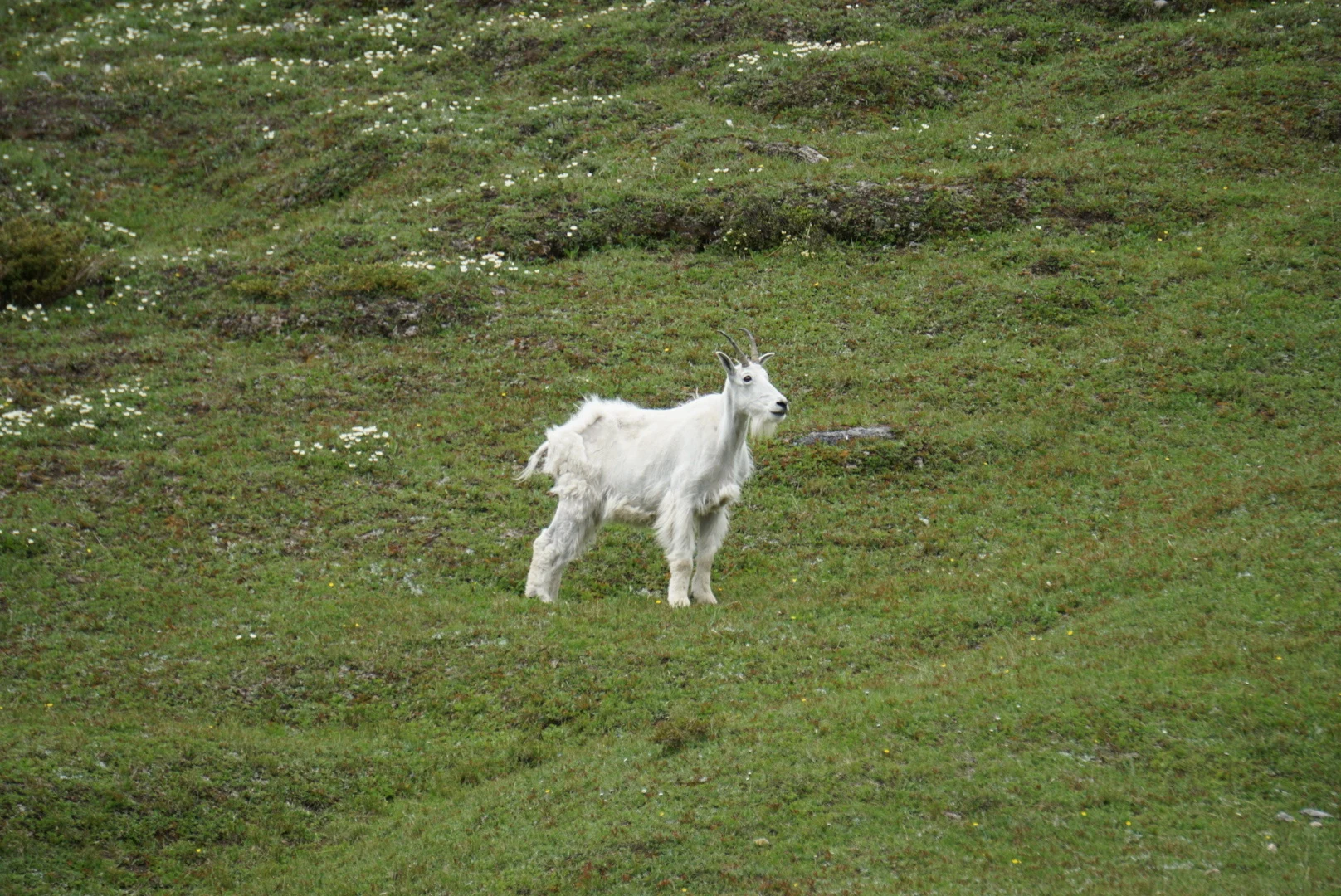
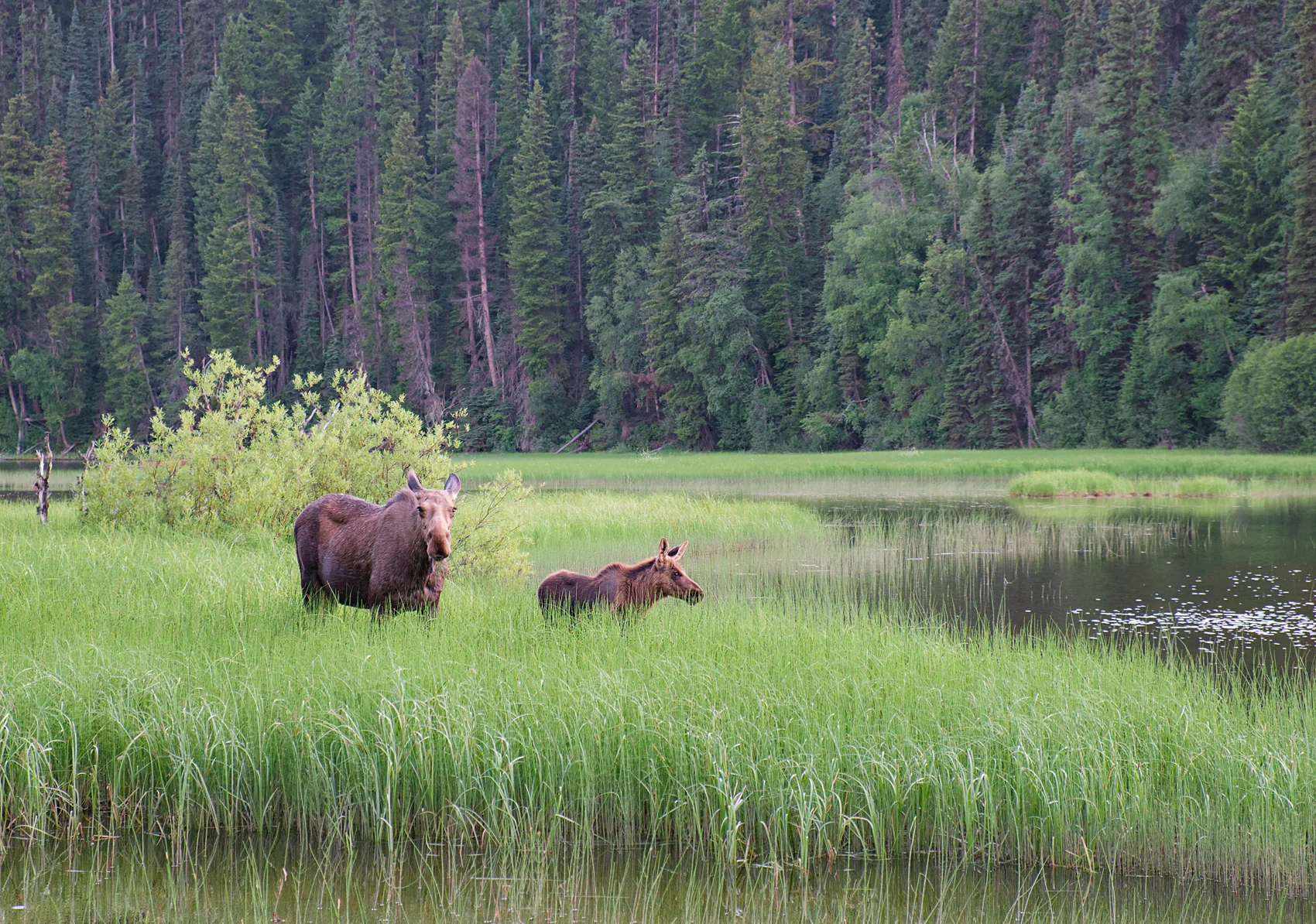
Deer, moose, black bears, grizzly bears, ground squirrels and chipmunks live in the Cedar Valley. Sightings are a possibility, never a promise.
Bears
Black and grizzly bears commonly emerge around April and enter dens around November or December. Snow, food, elevation and individual animals can shift that timing; some remain active outside these months.
Spring brings feeding on fresh growth. Late summer and autumn bring an intense search for food before winter. Cubs are born in the den and emerge with their mothers.
Columbian ground squirrels
These small neighbours return in spring and can begin hibernating during summer, well before the first snow. Males typically go underground earlier than females and young; timing varies with elevation and breeding.
Their winter sleep can occupy most of the year. Enjoy watching them forage, but leave their food supply to nature.
Deer, moose & forest life
Deer and moose do not hibernate. Watch for them around forest edges and the lake, giving adults with young particular space. Chipmunks and birds add movement to summer walks.
Bring binoculars, stay on established trails and never feed or approach wildlife. Ask about recent activity before setting out.
Weddings, retreats & family reunions
Summer is the public season for stays and gatherings. The three guest lodges have 26 rooms; overnight capacity depends on your rooming plan. Tell us your numbers, children’s ages and whether you need shared or separate rooms.
For an outdoor ceremony or group activity, agree on an indoor alternative. Pack rain protection and an evening layer in every summer month. July and August usually offer the warmest valley weather; higher trails open as snow permits.
The final access road is approximately 8 km; allow about 20 minutes from the gate when it is open. Arrange transport for guests staying in Fernie, and discuss mobility needs before allocating rooms or planning a lakeside ceremony.
Reserve meals, spa treatments and guided activities alongside the rooms. Share allergies and dietary needs early. Agree on meeting space, equipment, Wi-Fi needs and time for activities that suit different abilities.
Check-in: 4–9 p.m.
Check-out: by 11 a.m.
Arriving after 9 p.m.? Call the front desk by 7 p.m. to arrange your arrival. Winter trips have separate arrival and transfer instructions.
Monday–Friday, 9 a.m.–5 p.m.
Except statutory holidays. Spa appointments, private-event meals and guided departures are booked separately.
Before you set out
The monthly guide helps you choose a season. Our conditions report, webcams and operations calendar help you plan the actual day.
Summers at Island Lake
Walk beneath old-growth cedars, find a view above the lake, ride Lazy Lizard or take a canoe out before lunch. There’s room in a summer day for an adventure and an afternoon on the patio.
Plan around open trails and confirmed lodge dates, and leave a little space for doing very little.
Explore summers at Island Lake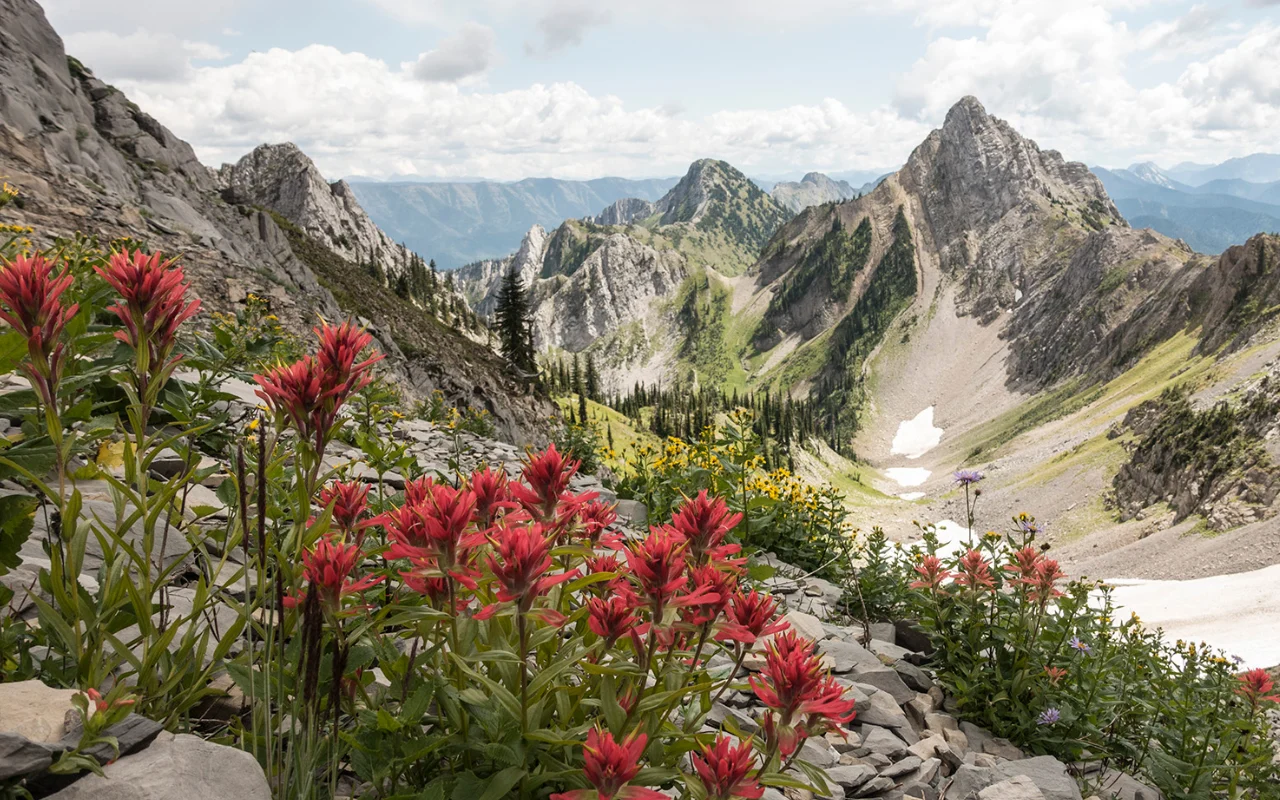
Mountain weddings
Gather beside the lake, celebrate at the table and wake up with everyone close by. The current summer wedding format is a two-night stay for 60–100 wedding guests; room arrangements and date availability are confirmed with your coordinator.
Exclusive lodge and indoor-facility access is part of the wedding arrangement. Recreational hiking and biking trails can remain open to the public.
Plan your Island Lake wedding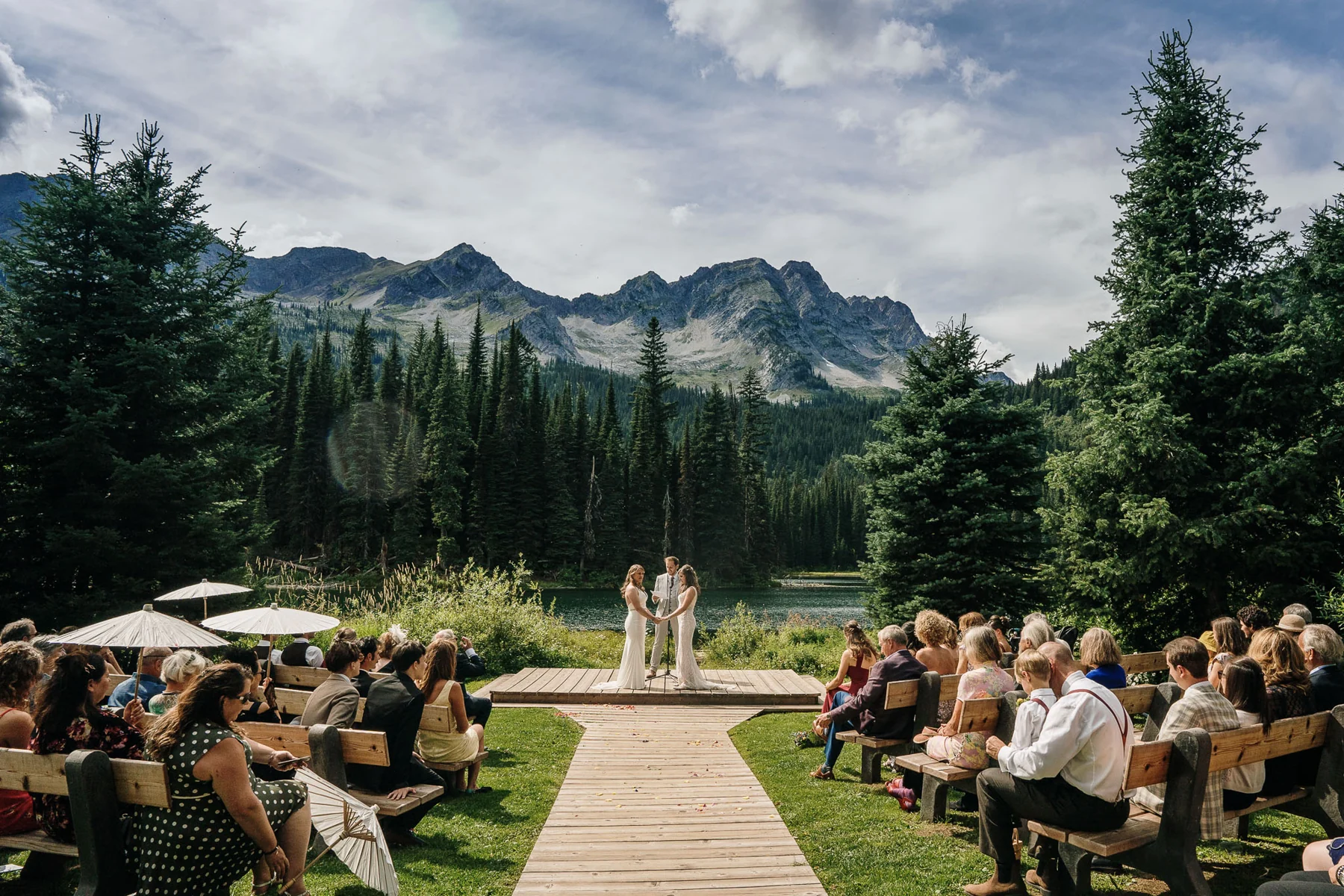
Buyouts, group retreats & family reunions
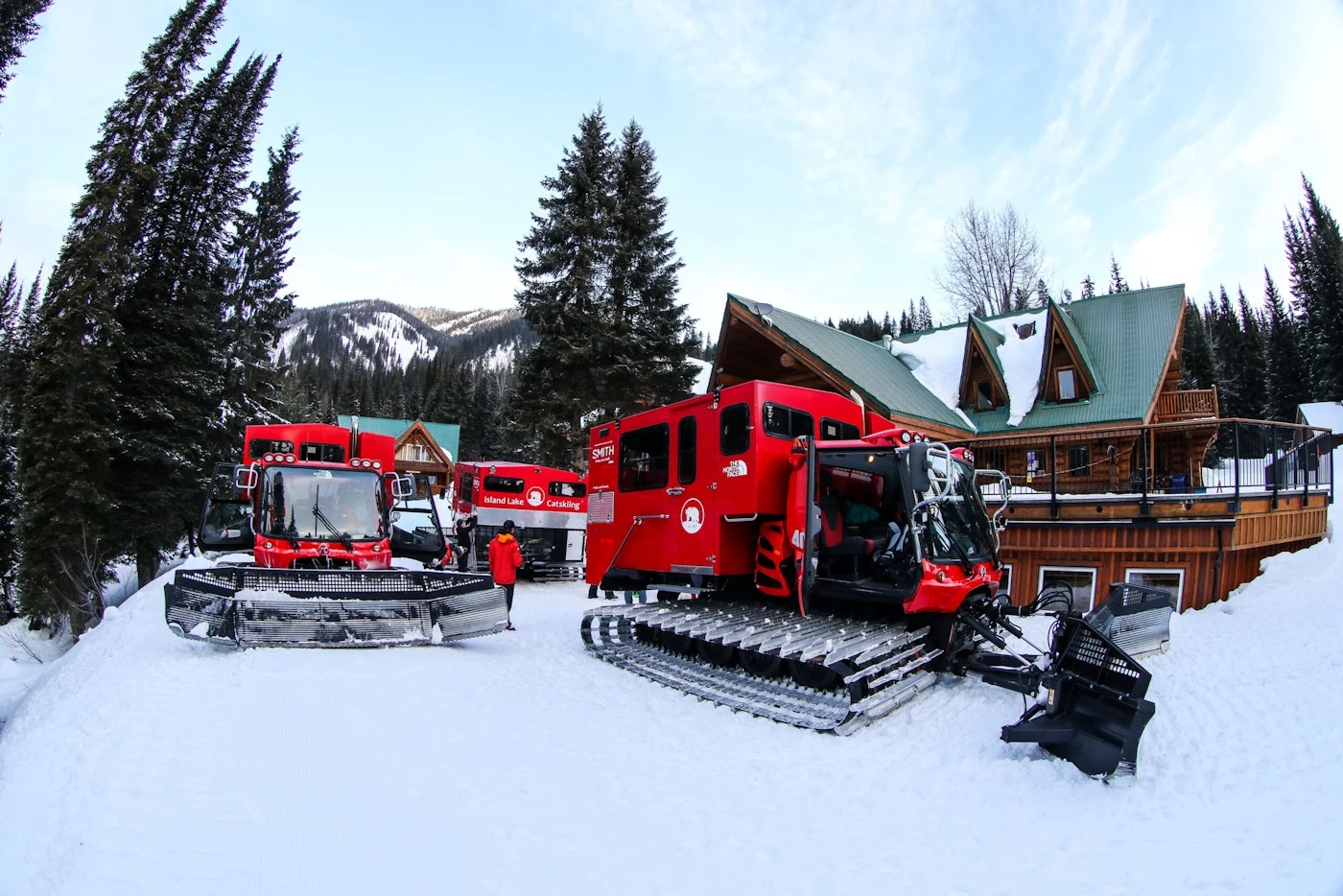
Trade the usual meeting room for mountain views, or gather the generations for a few days of shared meals and time outside. Tell us your preferred season, headcount and the spaces you want to make your own.
Summer gatherings and winter ski buyouts follow different operating calendars. Confirm what is exclusive to your group, the guest-room plan, meals, activities and any access restrictions as part of your booking.
Stewardship
Some of the valley’s cedars have been here for centuries. The forest, lake and wildlife are part of every visit—and every gathering has a part in looking after them.
Stay on marked trails, pack out what you bring in, keep food away from wildlife and follow seasonal closures. Ask our team how to plan a celebration that respects the place and supports local partners.
Our approach to stewardshipExplore Island Lake
A conversation is the beginning
Tell us your dates, your group size, and what you have in mind.
Our concierge will help you plan the stay.