Western redcedar & western hemlock
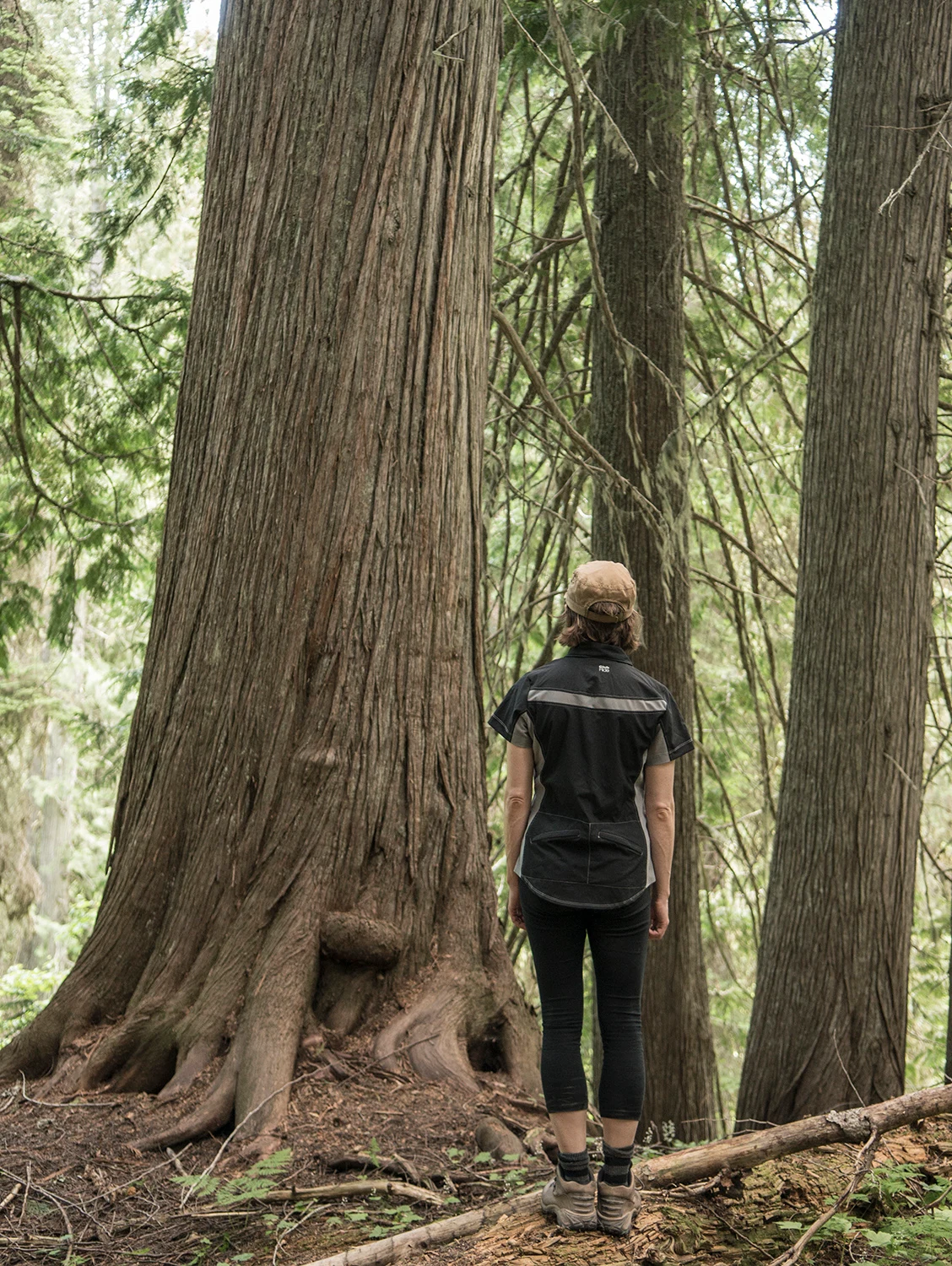
Part of the valley’s lush old-growth forest. Look for towering trunks and layers of shade beneath the canopy.

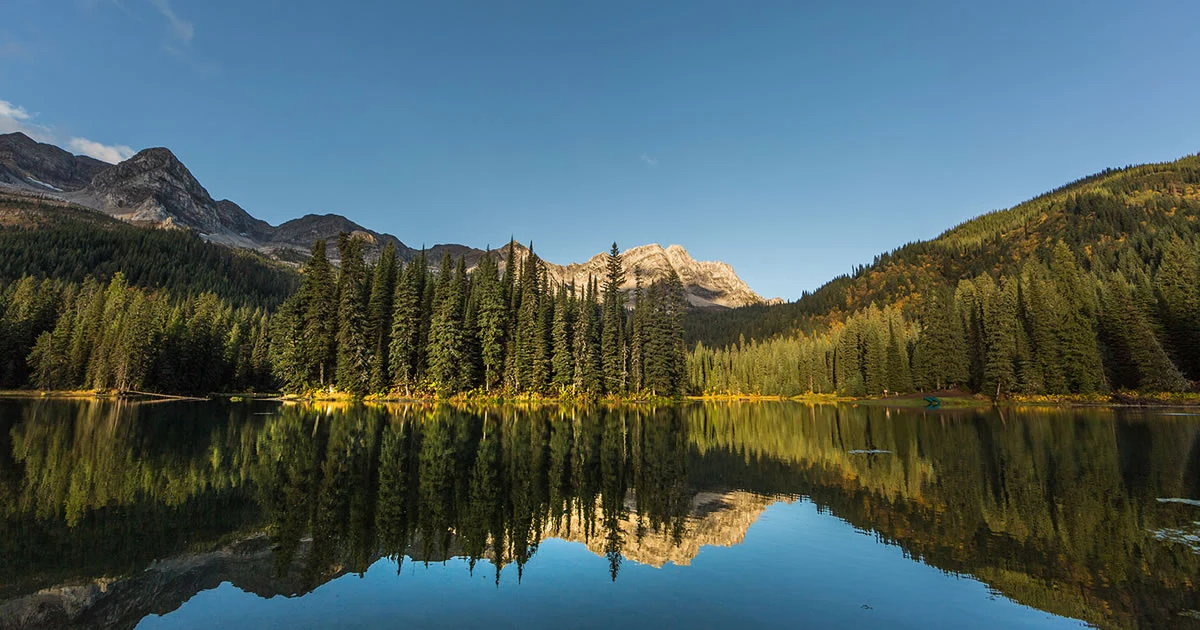
The living landscape · Island Lake
01 / The Lizard Range
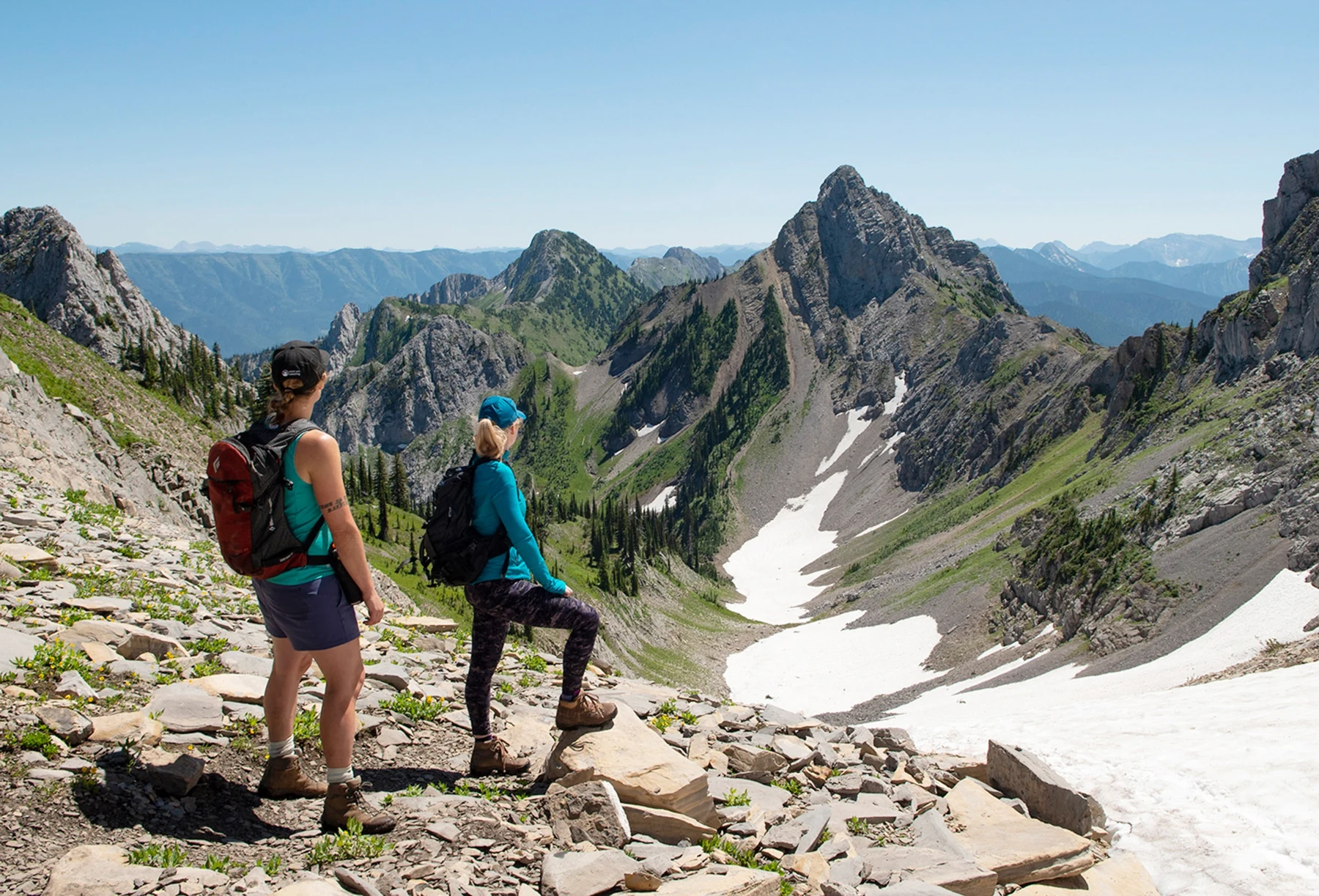
The pale cliffs above Island Lake tell a much older story than the forest below. The Lizard Range includes fossil-bearing limestone formed from ancient marine deposits.
02 / The Cedar Valley
Some western redcedars here are estimated to be at least 800 years old. The valley’s tree community changes as you climb toward the alpine.
Part of the valley’s lush old-growth forest. Look for towering trunks and layers of shade beneath the canopy.
Two more members of the Cedar Valley’s diverse conifer community.
Engelmann spruce, white spruce and subalpine fir are recorded here, linking the valley forest with the mountain landscape.
The lodge’s tree inventory also includes lodgepole pine, black cottonwood, balsam poplar and white birch.
Small things, worth noticing
These plants appear in Tourism Fernie’s regional checklist. What you see depends on the trail, elevation and season.
Pink flower spikes in summer.
Bright red bracts among mountain vegetation.
Nodding yellow flowers as the snow retreats.
Small, paired pink bells close to the forest floor.
Yellow, daisy-like flower heads.
Shrubs that provide food for wildlife.
Photograph flowers without picking them. Leave berries for wildlife. Fernie plant checklist
03 / Their home, our privilege
Watch from a distance. Sightings are never guaranteed, and an animal should never have to change its behaviour for your photograph.
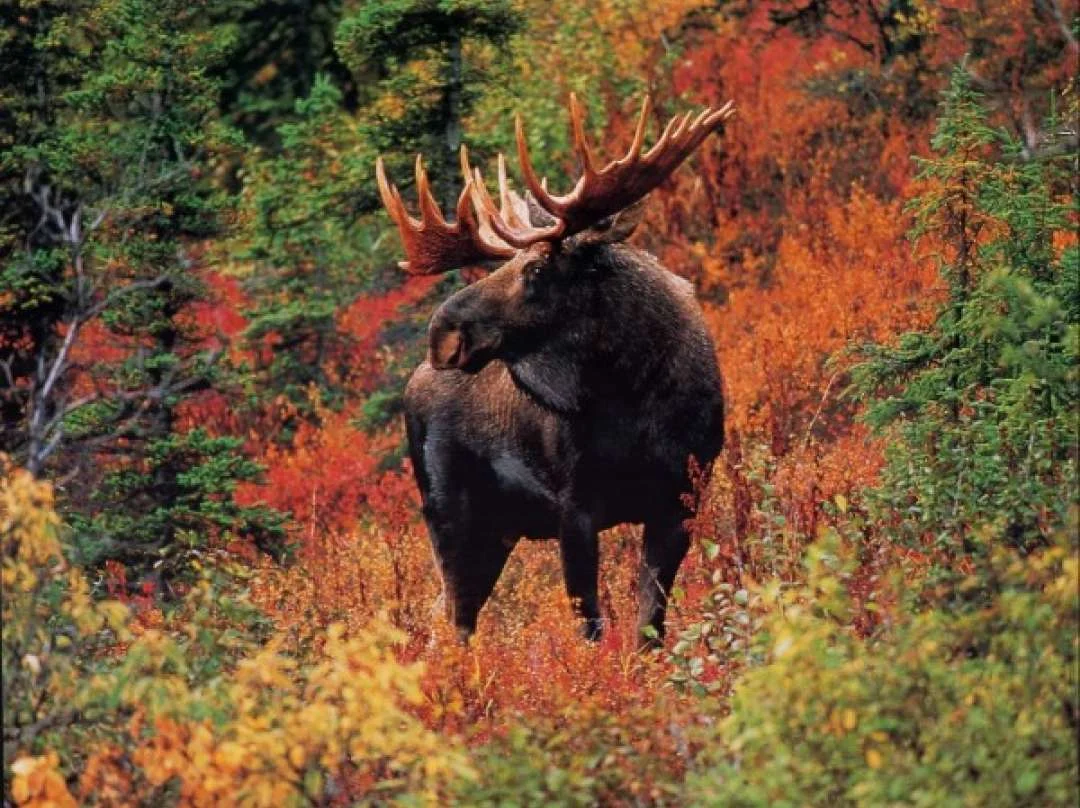
Lake edges and forest provide habitat for moose, white-tailed deer and mule deer. Give them room, especially animals with young.
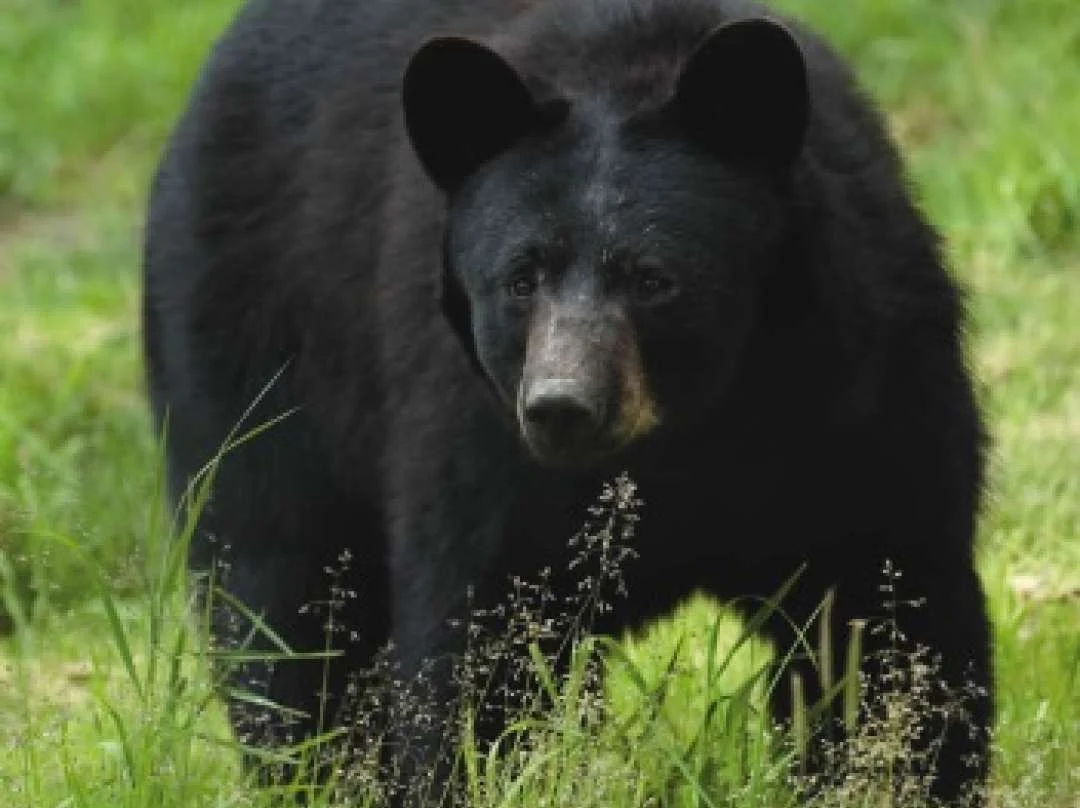
Both black and grizzly bears live in the wider Cedar Valley. Never approach or feed them; keep food secured.
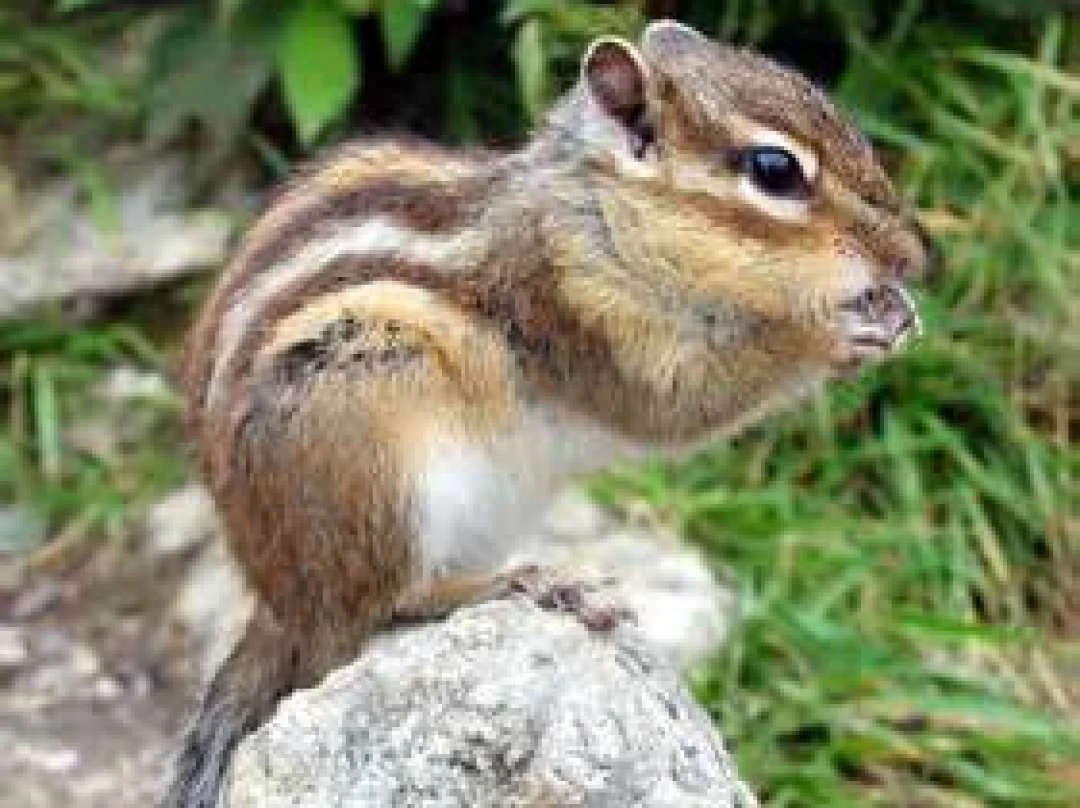
Chipmunks, Columbian ground squirrels and weasels are part of the local wildlife community. Watch without offering food.
Mountain goats inhabit steep alpine terrain. The lodge’s trail guide also records elk, wolves, cougars and lynx in the wider area. Give every animal space and let it move away freely.
Leave space for the wild
Carry bear spray and know how to use it. Stay alert, make noise, keep dogs leashed and follow posted closures. Report wildlife sightings to the lodge team.
No campfires. No smoking on Island Lake property. Protect the forest and the people who share it.
A conversation is the beginning
Tell us your dates, your group size, and what you have in mind.
Our concierge will help you plan the stay.